What’s out there and what really impresses
The market for sustainable men's trousers is growing. This does not mean that all products live up to their promises. This text objectively compares the most relevant brands and approaches, without promoting ourselves.

What really makes men's trousers sustainable?
Sustainability in textiles has several dimensions. No brand is perfect in all areas. The relevant criteria are: material origin (bio-based, recycled, natural), production standards (working conditions, certifications), lifespan (how long the product lasts), maintenance requirements (energy consumption from washing and ironing), and repairability

An overview of the relevant brands
BREDDY'S
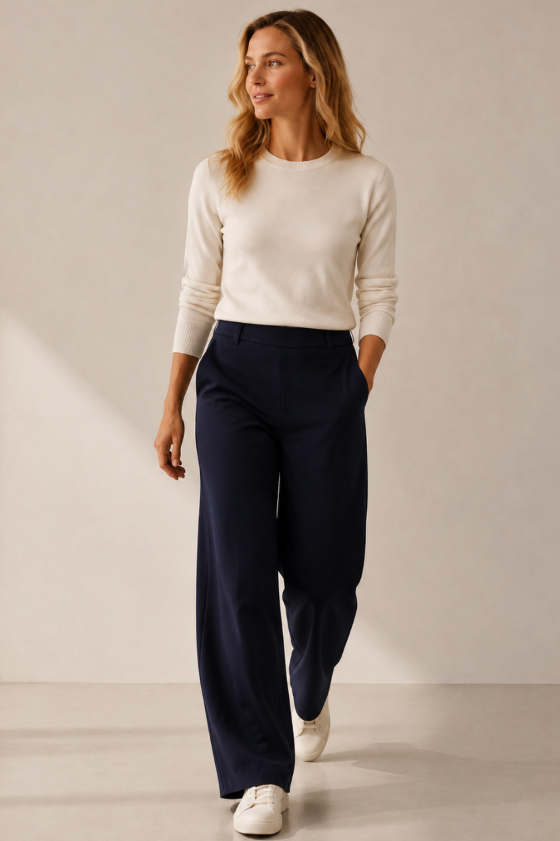
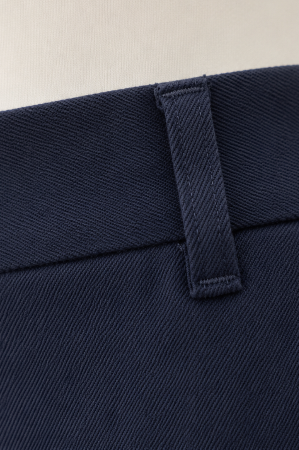
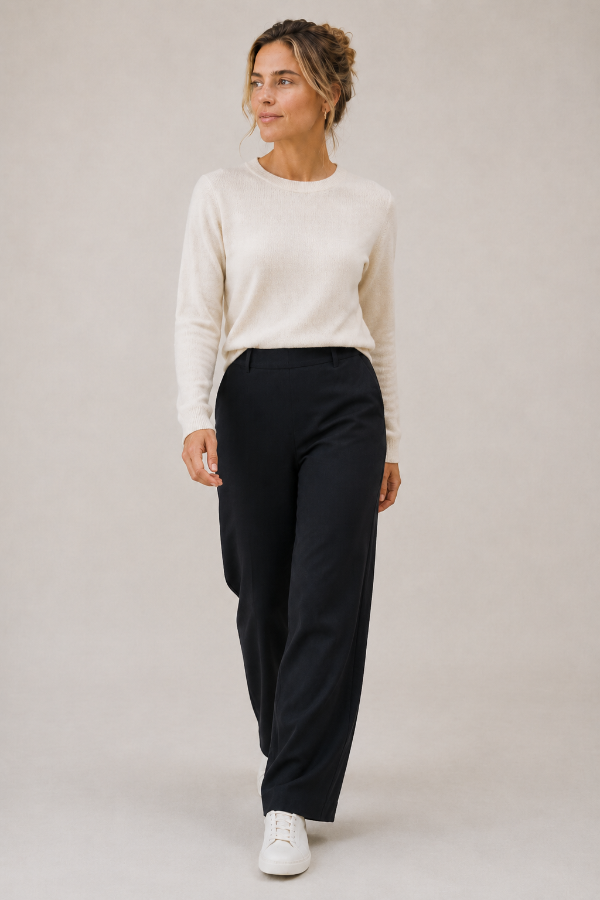
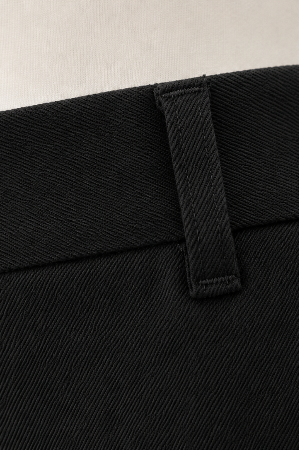
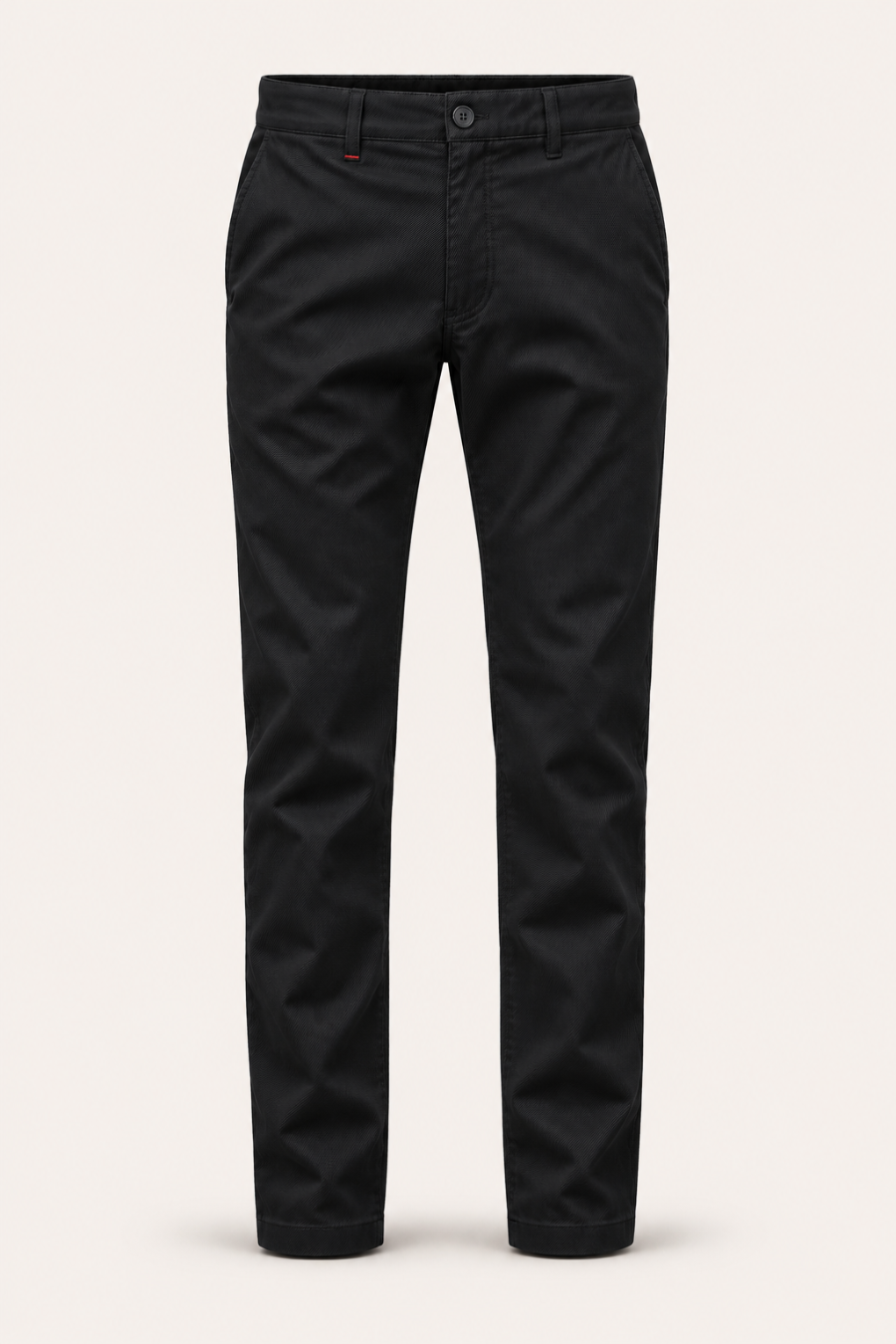
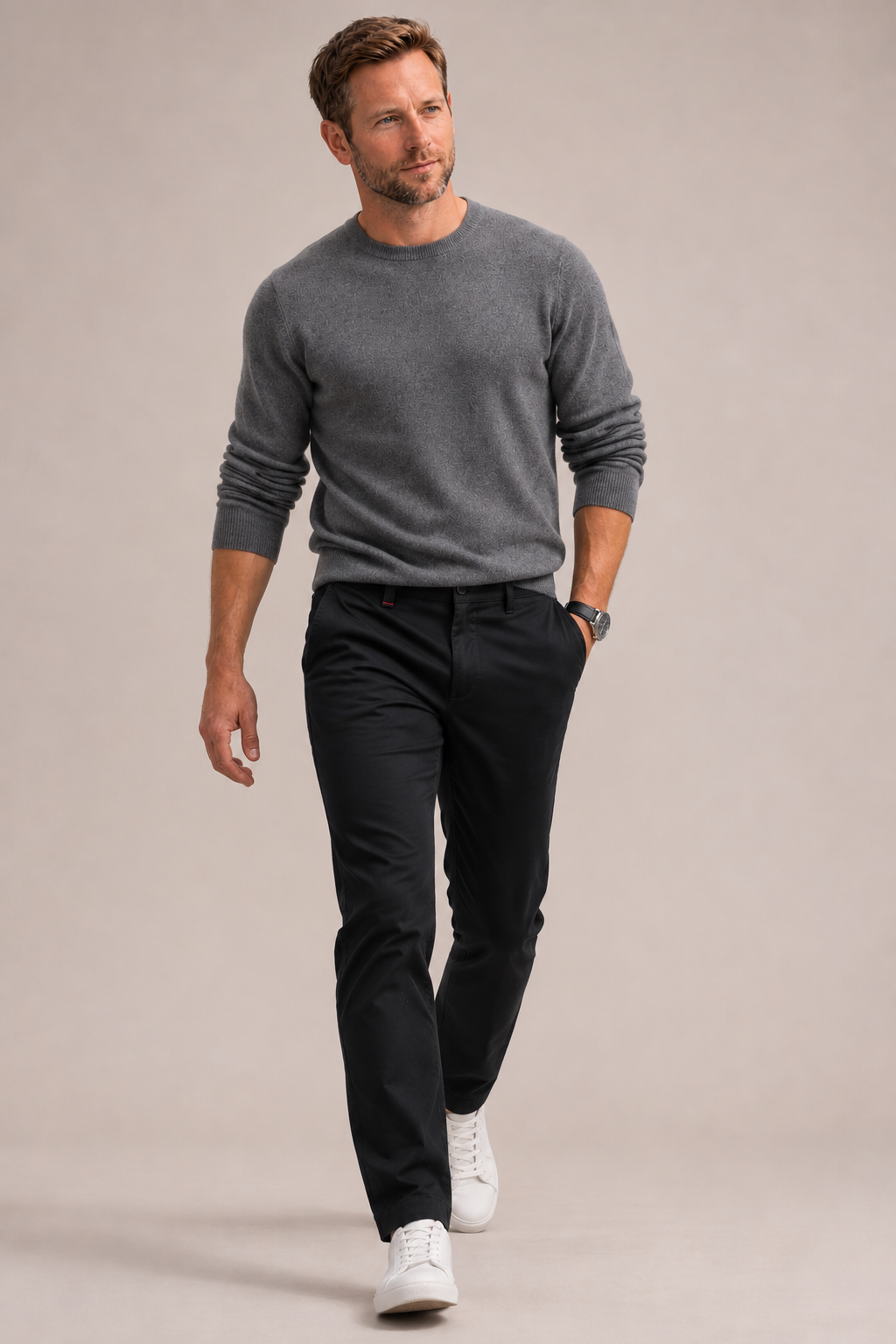
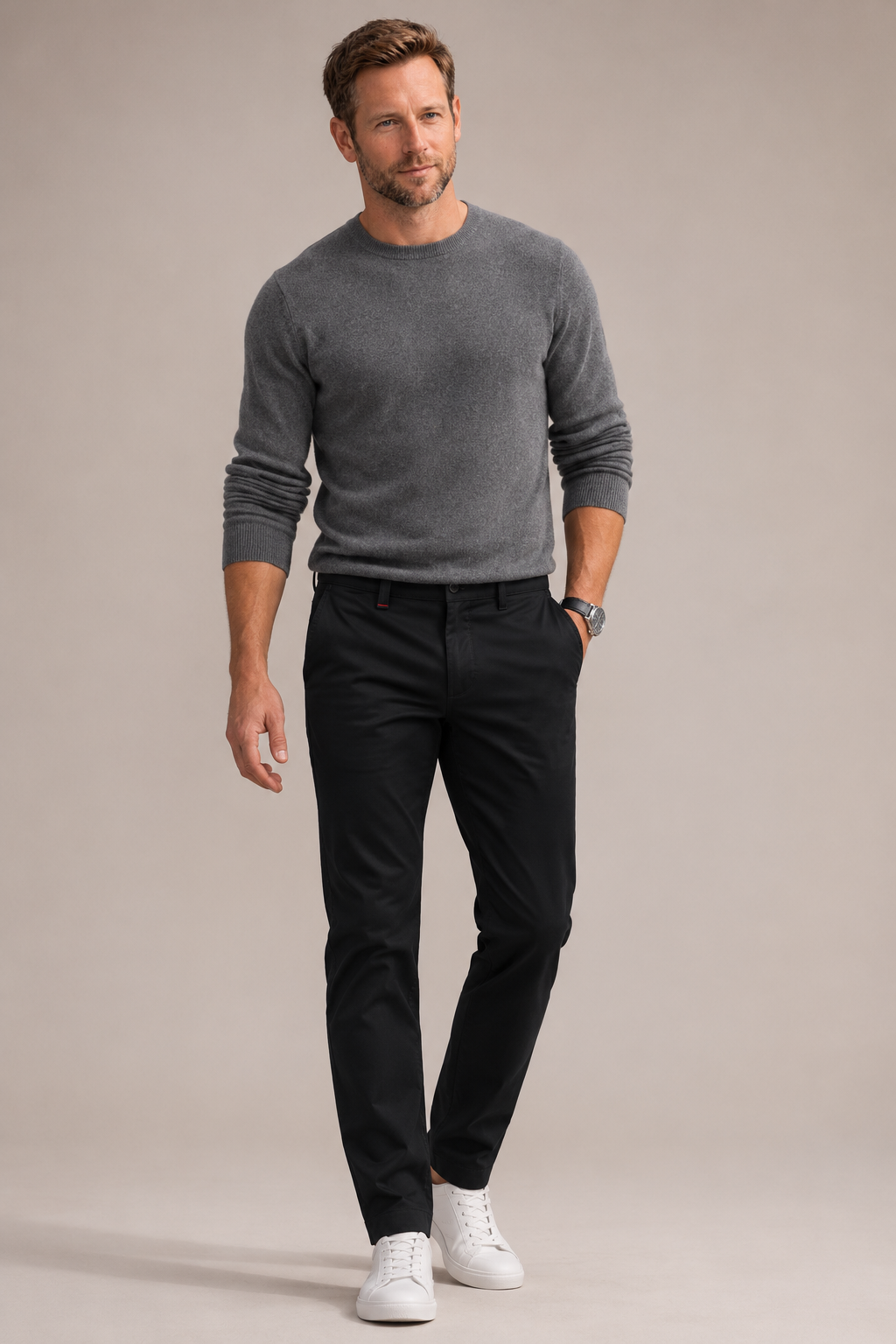
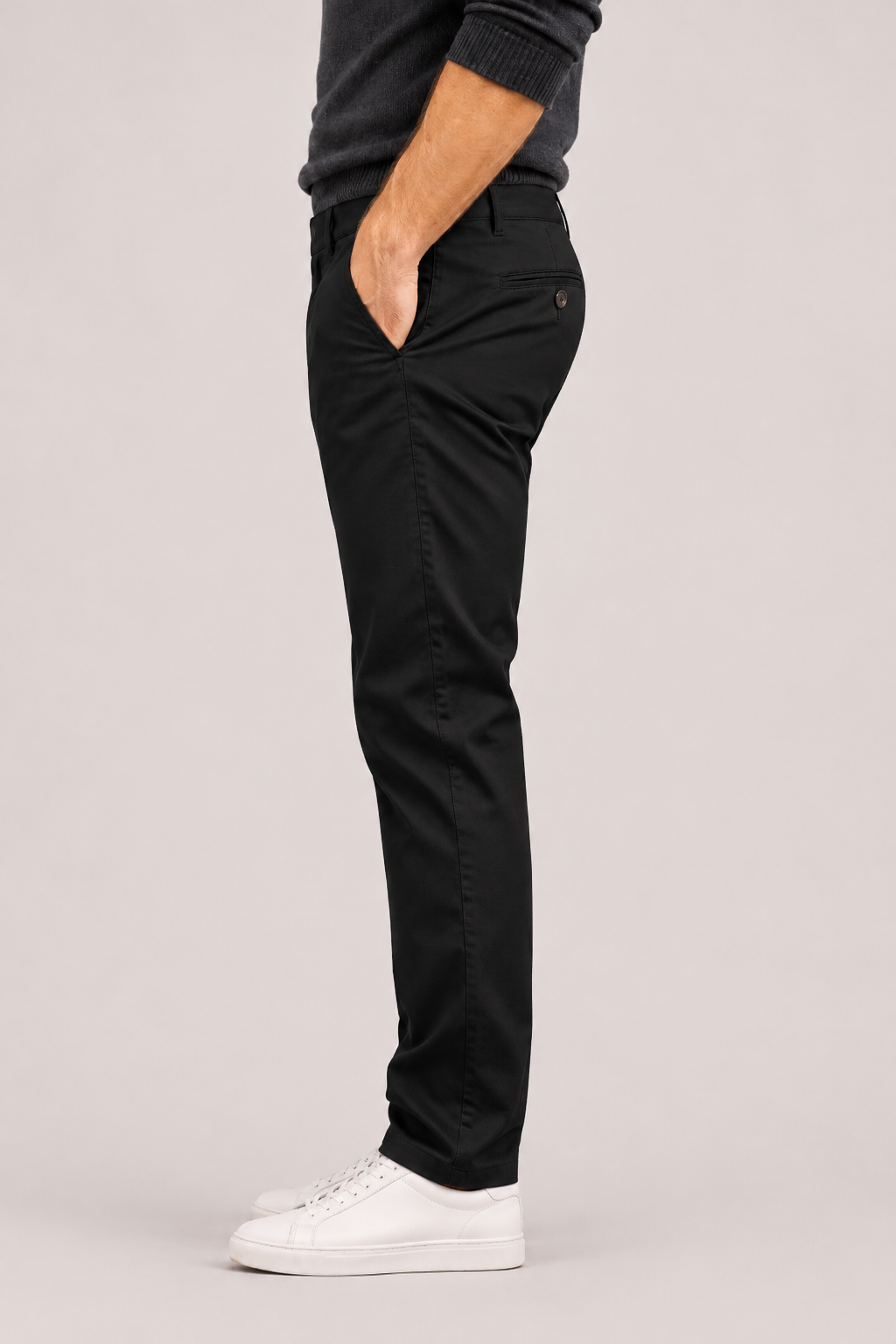
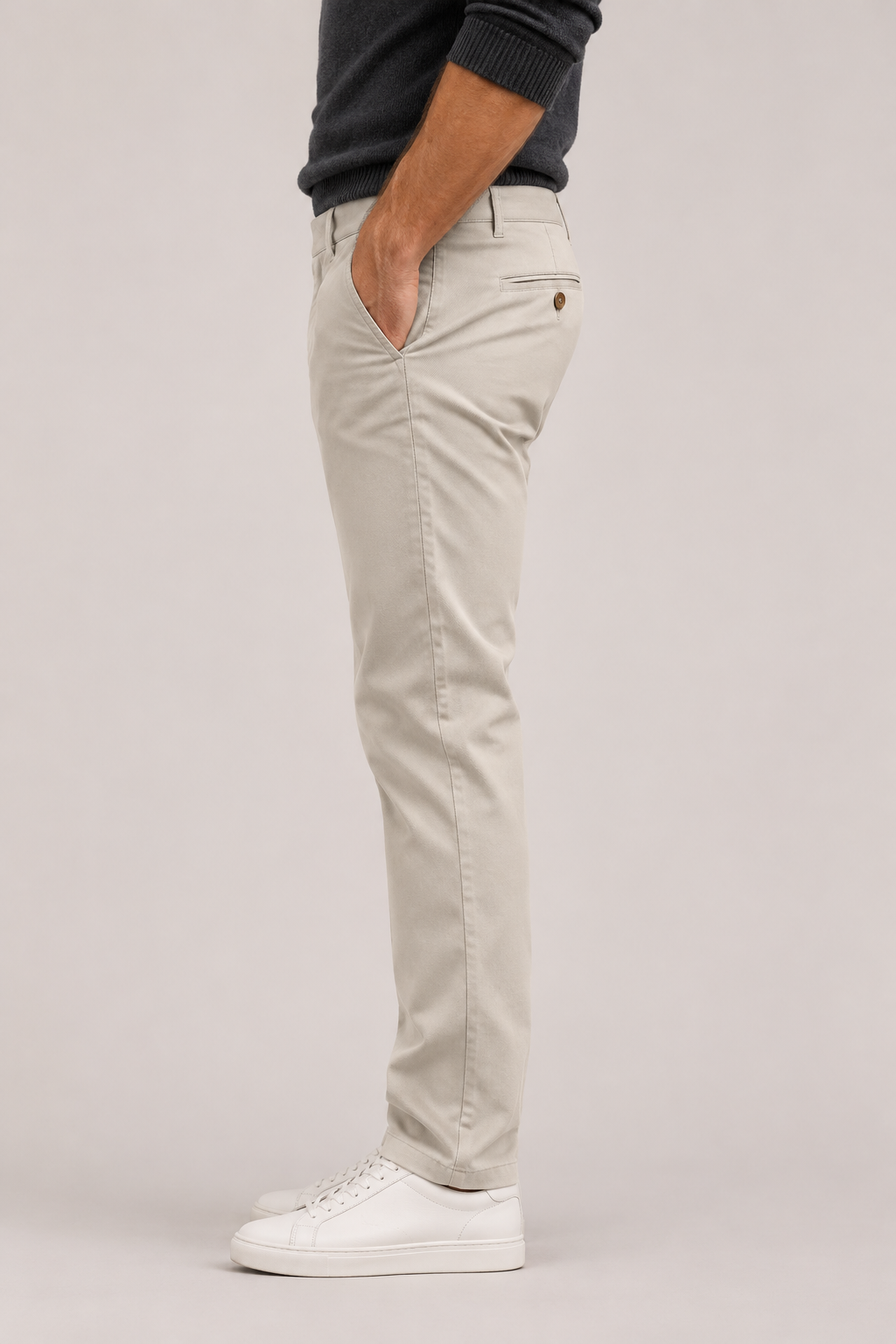
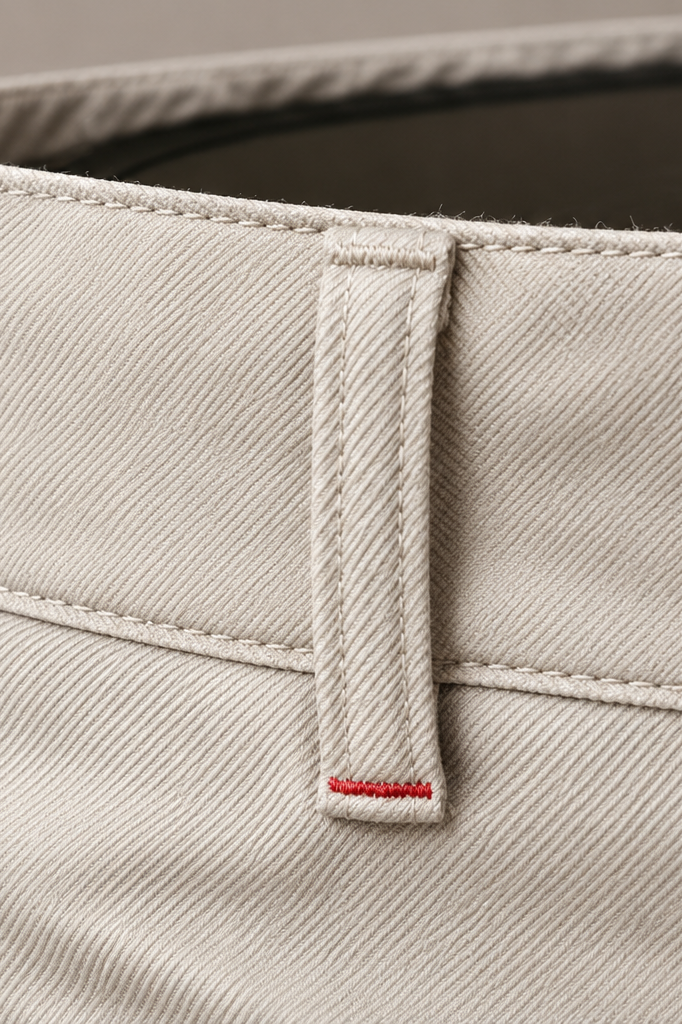
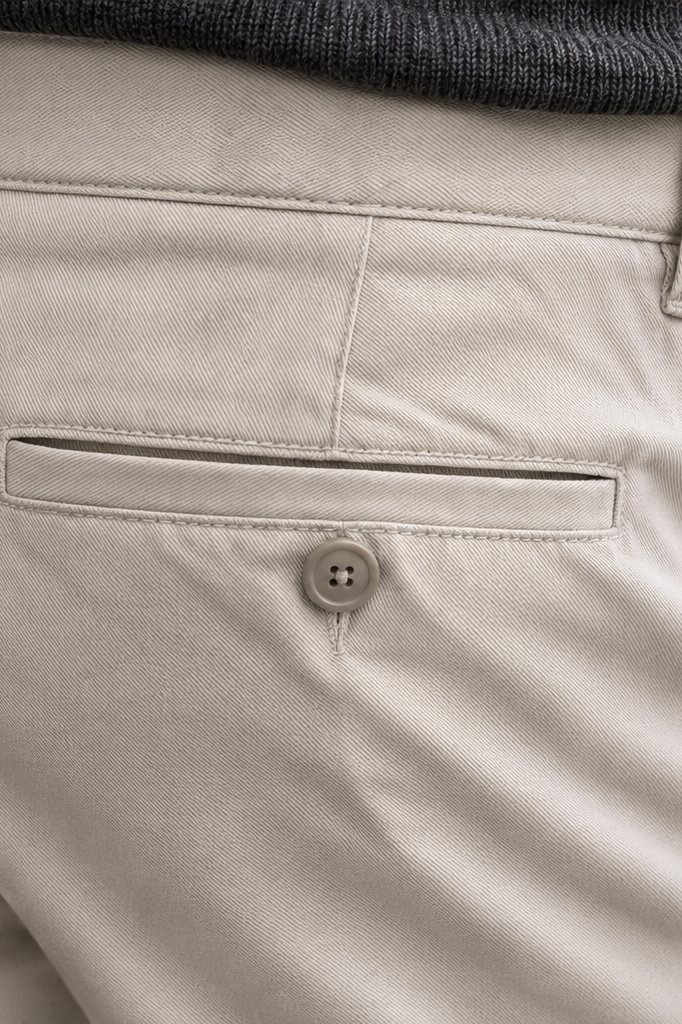
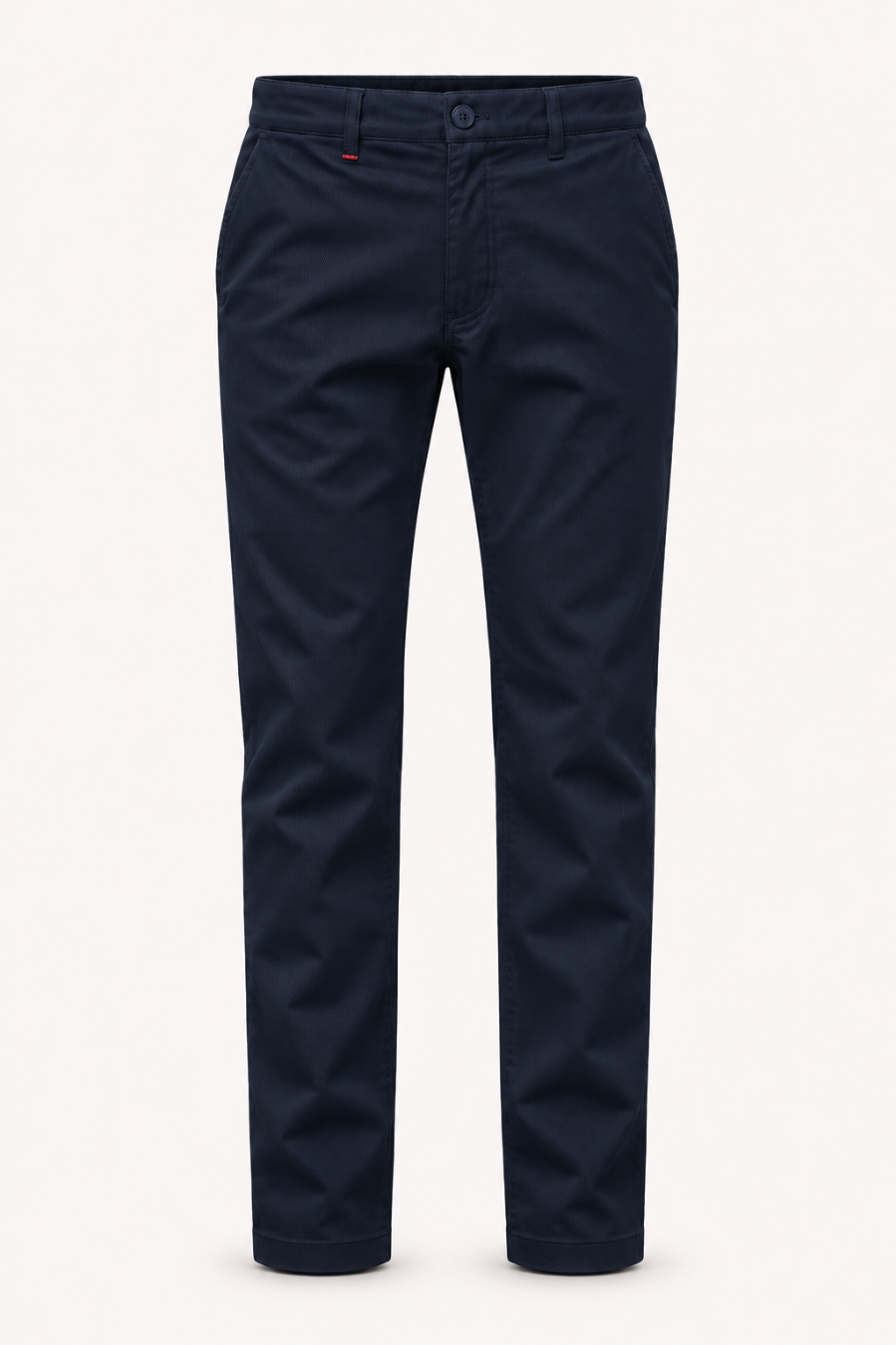
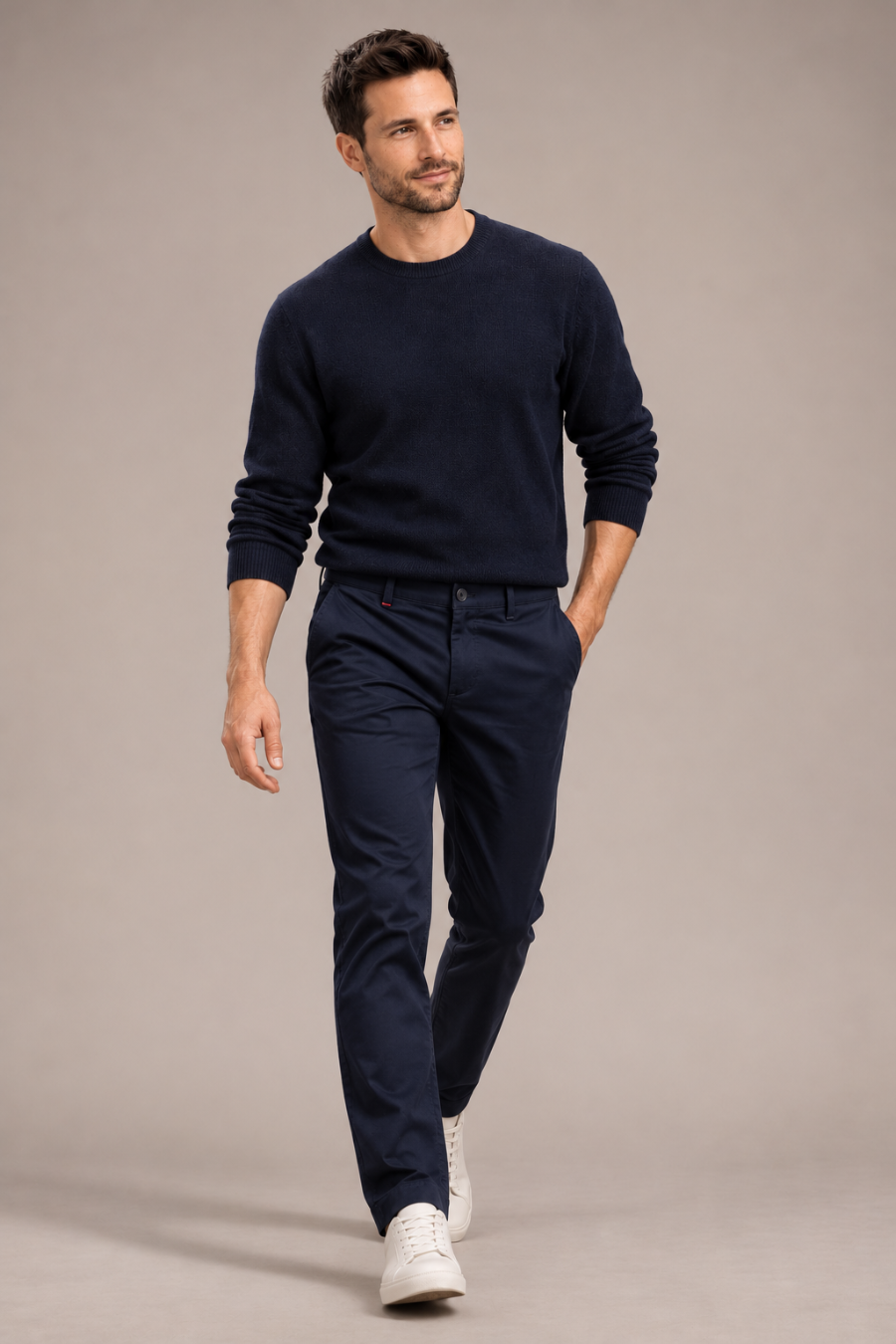
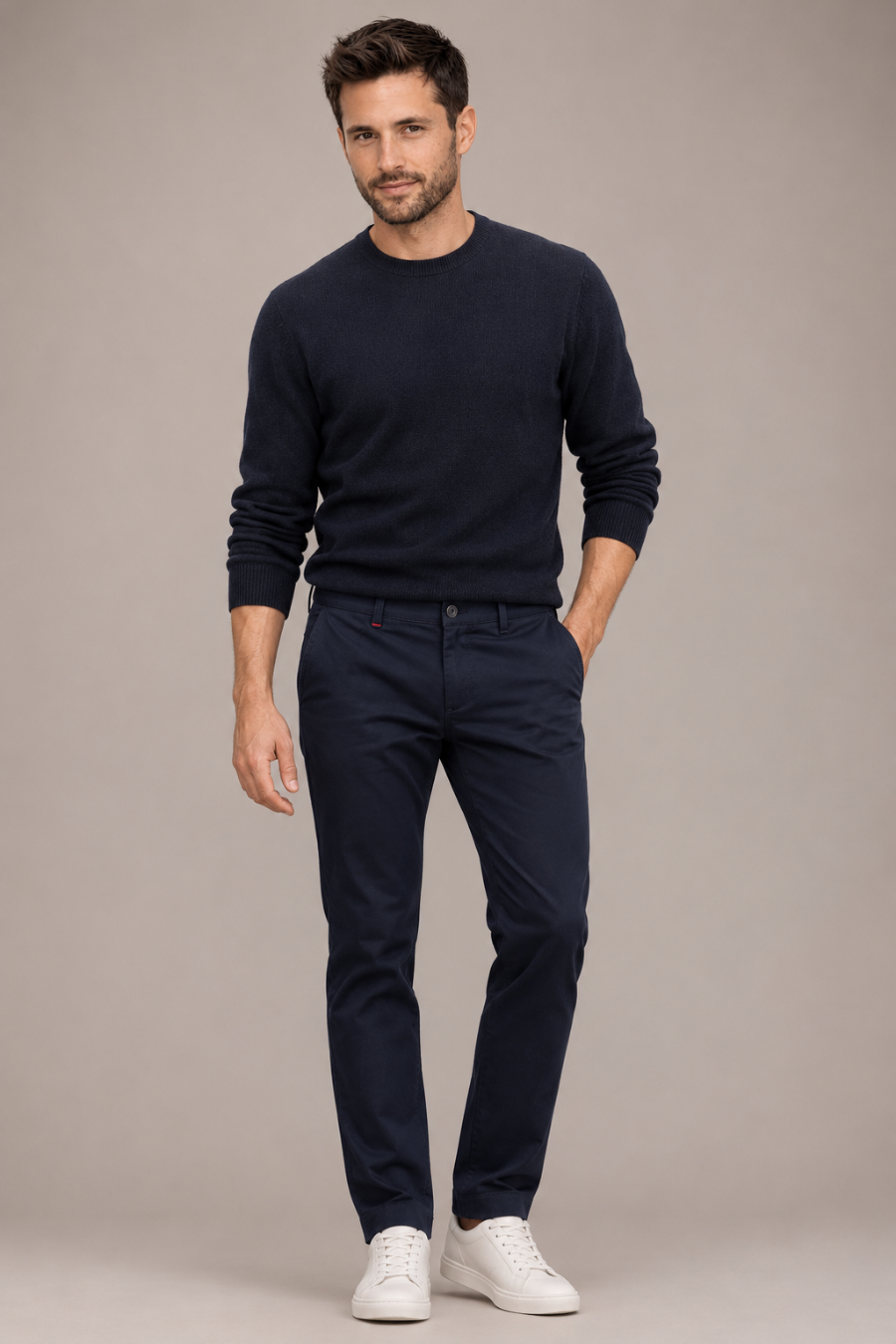
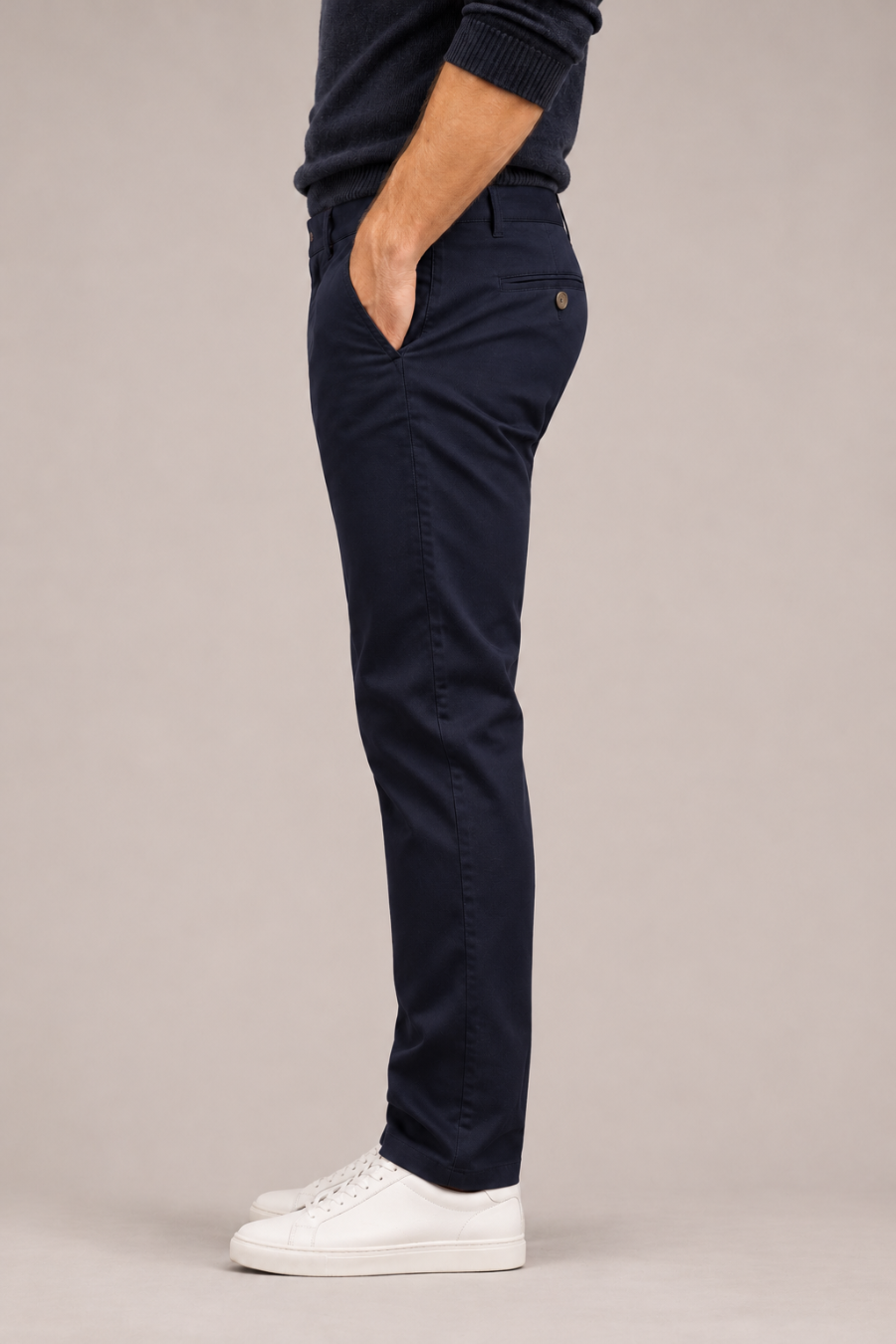
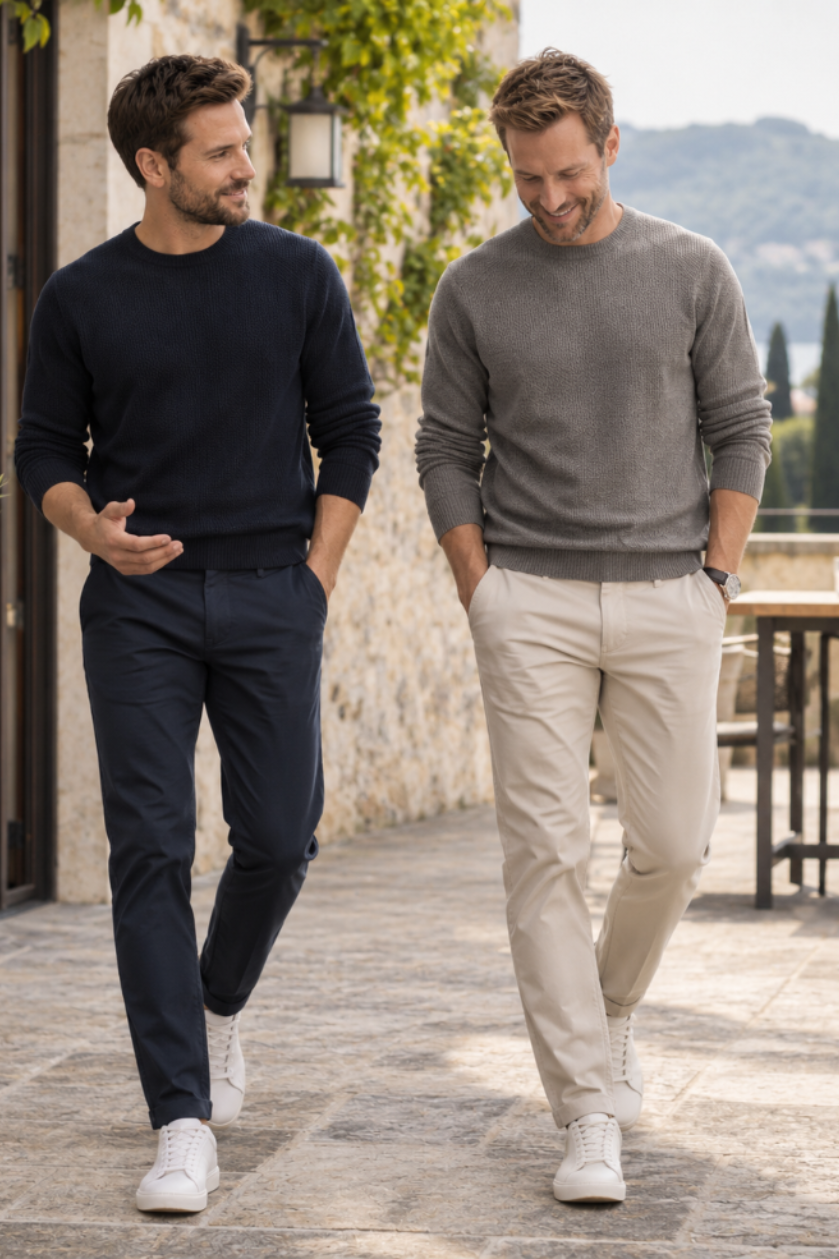
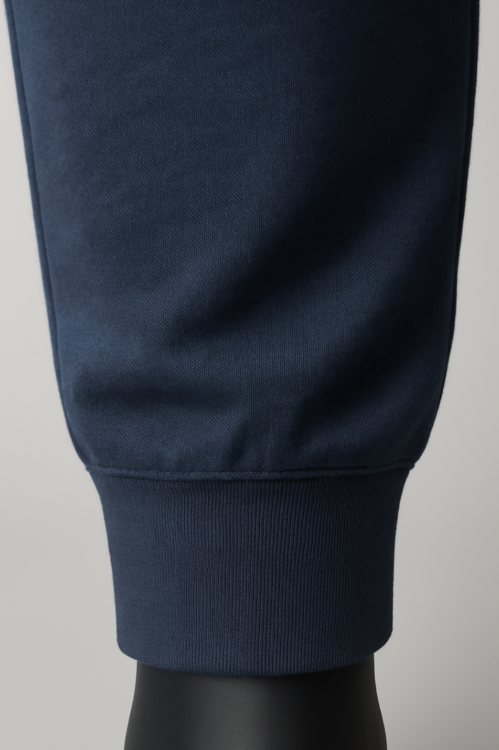
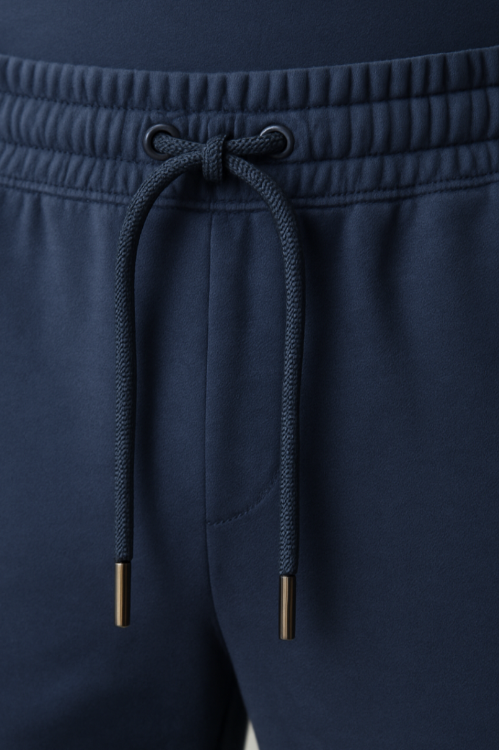
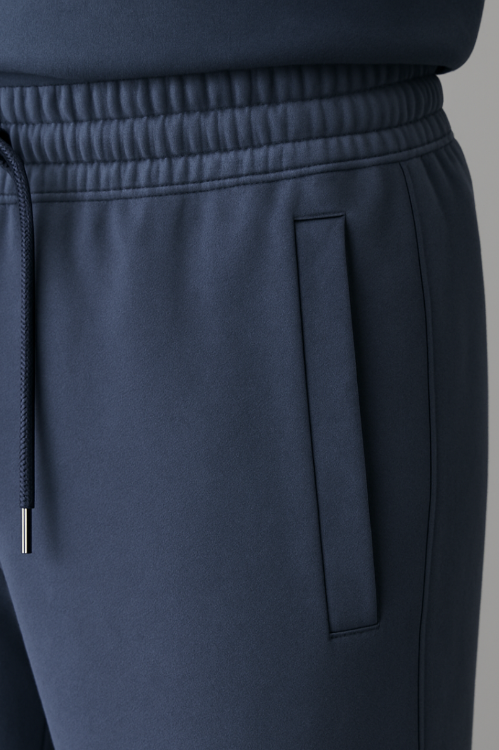
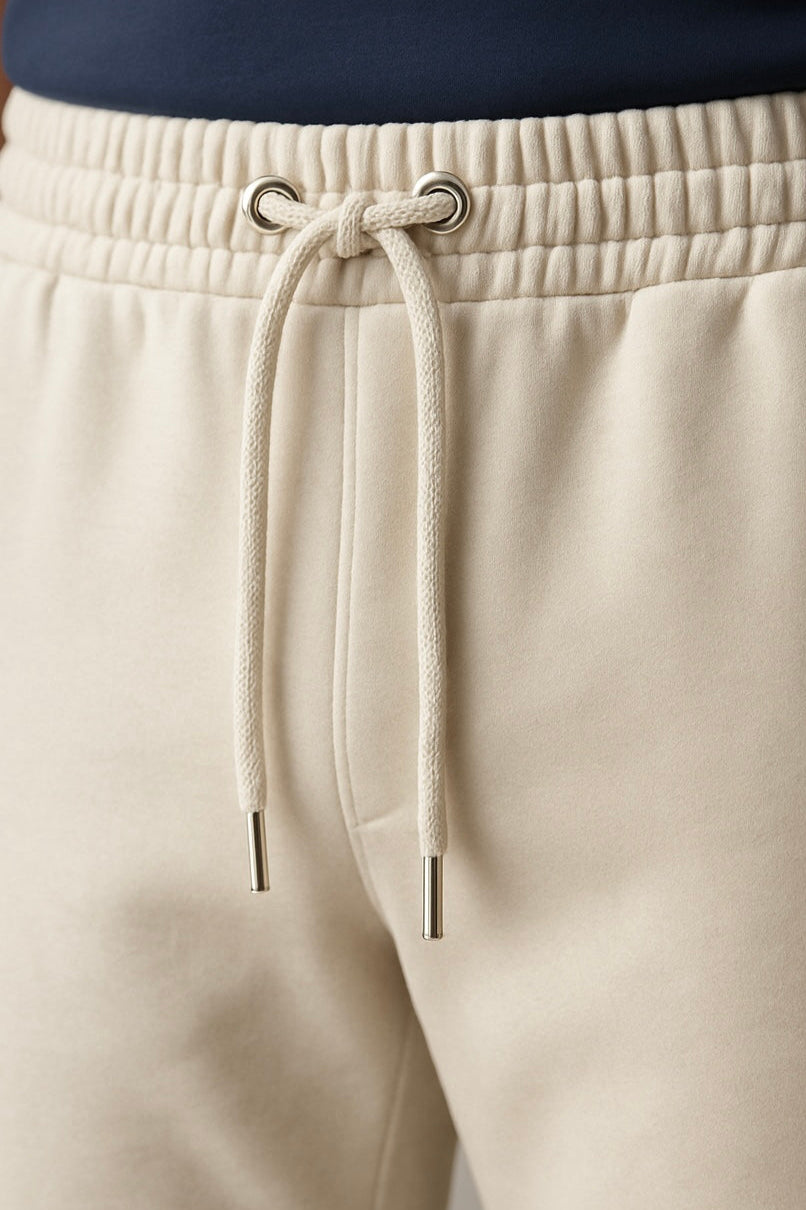
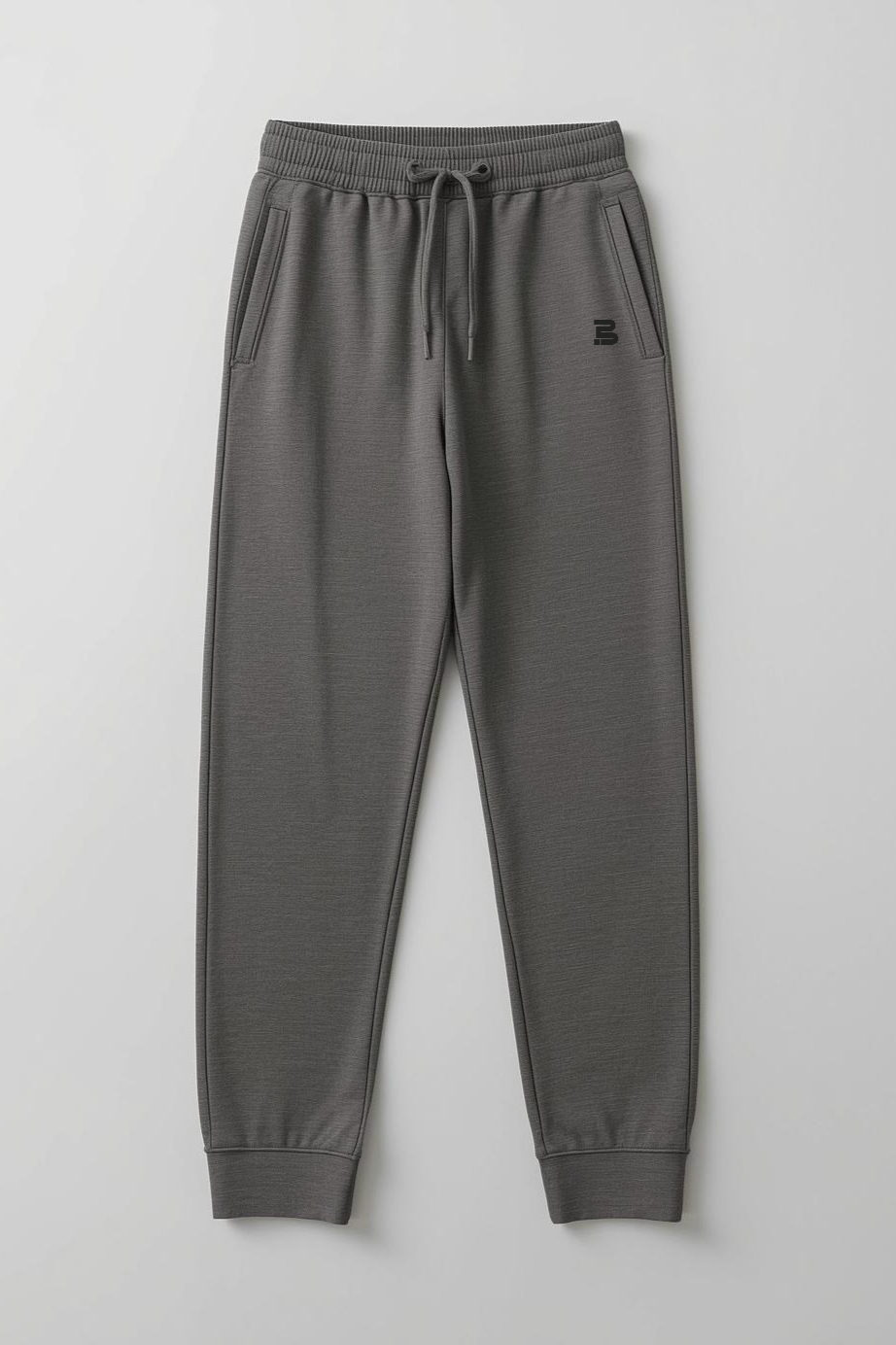
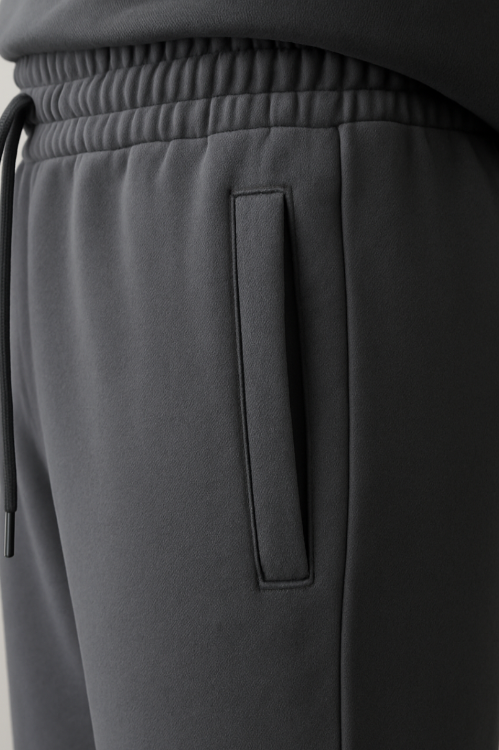
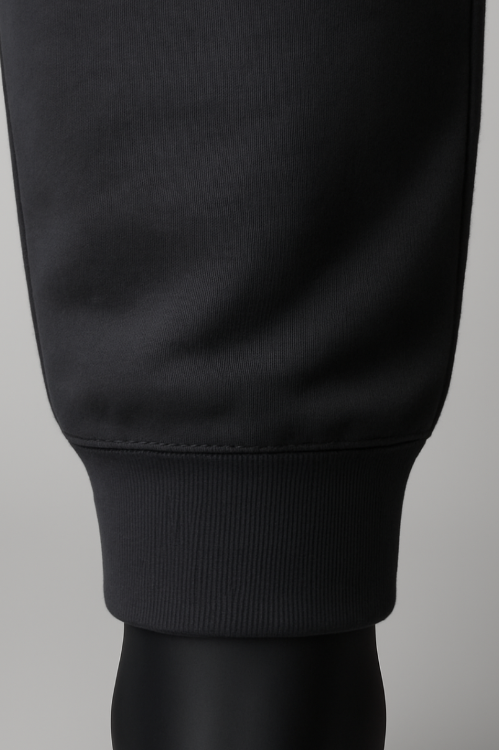
Material: CastorTech (97% castor-based fiber, 3% elastane) and TENCEL. Both bio-based. No petroleum. Production: Portugal, small family businesses, direct contact with the production site. Price: 130 to 180 euros. Strengths: Material innovation, durability, non-iron properties, European production. Weaknesses: Small range, limited availability outside the webshop.
Armedangels
Material: Mainly organic cotton (GOTS-certified), occasionally TENCEL and recycled fibers. Production: Various countries, GOTS-certified. Price: 80 to 130 euros. Strengths: Wide range, strong brand, good availability. Weaknesses: No technical differentiation claim for the material, organic cotton is a solid standard, but not an innovation.
Hessnatur
Material: Organic cotton, wool, linen, natural materials. Production: Certified, long-standing supply chains. Price: 100 to 200 euros. Strengths: Highest credibility in the DACH region, long-standing experience, transparency. Weaknesses: Conservative design, no functional claims, no material innovation.
Knowledge Cotton Apparel
Material: Organic cotton, linen, some TENCEL products. Production: Northern Europe-focused, GOTS. Price: 80 to 160 euros. Strengths: Clear Scandinavian design, wide distribution. Weaknesses: Little technical differentiation, similar to Armedangels.
Ecoalf
Material: Mainly recycled materials (plastic bottles, fishing nets). Production: Spain and Portugal. Price: 100 to 180 euros. Strengths: Innovative recycling approach, good design, European production. Weaknesses: Recycled is not the same as bio-based, durability depends heavily on the product type.

Direct comparison: What is right for whom?
Those looking for a wide range with solid organic cotton quality: Armedangels or Hessnatur. Those looking for material innovation, non-iron convenience, and European production with family-business quality: BREDDY'S. Those who prioritize recycling as the primary sustainability criterion: Ecoalf. Those who appreciate Scandinavian design: Knowledge Cotton Apparel.
Why durability is the most important sustainability criterion
The most sustainable pair of trousers is the one that lasts the longest. Organic cotton trousers that need to be replaced after two years have a worse overall environmental impact than technical trousers made from castor bean-based fiber that last five to eight years. This point is often overlooked in the sustainability debate.

























Frequently Asked Questions
Which sustainable pair of men's trousers lasts the longest?
Trousers made from technical polyamide fibres such as CastorTech generally last longer than those made from organic cotton because the fibres have greater mechanical resilience.
Is GOTS certification the same as sustainability?
GOTS certifies organic farming methods and production conditions for organic cotton. It is a solid standard, but it does not cover all aspects of sustainability: it makes no statement on durability or water efficiency compared with other materials.
Where are sustainable men's trousers produced in Europe?
BREDDY'S produces in Portugal. Hessnatur has historically had close ties with European production sites. Ecoalf also produces in Spain and Portugal. Armedangels mainly produces outside Europe under certified conditions.