
Ideas

Forced labor – an issue we cannot ignore
In our series on sustainability in the clothing industry, we've already discussed poor working conditions and starvation wages. But there's an even more serious form of exploitation that often goes...

Chemicals in our clothing – what we should know about them
7,000 chemicals. That's how many are estimated to be used in the textile industry – from harmless additives to toxic heavy metals and questionable dyes. Substances can be added at...

Sustainability in the clothing industry – Part 3: The issue of cotton
Cotton has a positive image. It's considered natural, skin-friendly, and versatile. For many, it's the epitome of sustainable fashion. But a closer look at this raw material reveals that, unfortunately,...

Stop overproduction – why less fashion means more future
Too much of everything – that's unfortunately a daily occurrence in the fashion industry. Collections are released monthly, warehouses fill up faster than they're emptied – and ultimately, vast amounts...

Fair wages – why they are still the exception in the fashion industry
Sustainability doesn't start with the fabric—it starts with the people. Yet, fair wages are still not a standard in the global clothing industry. On the contrary: Many garments are produced...

Digital Fashion – the future of fashion or just an interim solution?
Virtual clothing—clothing made of pixels rather than fabric—may sound like an art project at first. But in fact, so-called "digital fashion" has long been more than a niche trend. It's...

Buy consciously: 10 questions you should ask yourself when buying clothes
Anyone who wants to live sustainably cannot ignore the topic of fashion. Clothing is not just about style – it's also about resources, responsibility, and impact. While the responsibility of...

Greenwashing: Why “sustainable” isn’t always honest
Sustainability is no longer a niche topic – it has entered the mainstream. And with it, the marketing promise of "sustainable." But where demand grows, so does the need to...

What happens to our donated clothing?
A piece of clothing no longer fits, you no longer like it, or you've never worn it. The solution seems simple: donate clothes. You're tidying up, doing something good –...

What will the clothing factory of the future look like?
We often talk about what's wrong with the fashion industry—exploitation, overproduction, and environmental pollution. But how could things be improved? What if we rethink the processes—radically, not just in small...

Confused Structures – A Look Behind the Curtain of Today’s Clothing Industry
One of the biggest problems in the fashion industry lies in its structures—or rather, in their complexity. Not only are they difficult to understand for outsiders, but they're also a...
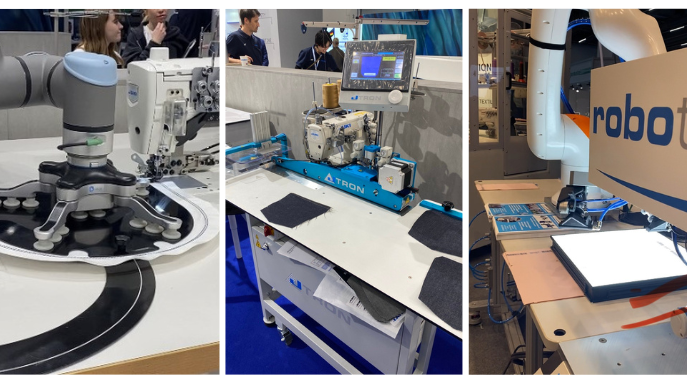
1700 exhibitors from 53 countries: A strong signal
The trade fair concept is alive and well, and the textile and clothing industry is clearly living it too. The recent dual exhibition, Techtextil and Texprocess in Frankfurt, proved to be an impressive showcase for the future of the textile and clothing industry. With 1,700 exhibitors from 53 countries, the event offered a comprehensive platform for innovations and trends in the technical textile industry as well as the clothing and textile processing industries.